PROJECT

PROJECT

EDU-GREEN

EDU-GREEN je prekogranični projekat Srbije i Bugarske usmeren na osnaživanje nastavnika za uključivanje tema zelene tranzicije u osnovno obrazovanje. Projekat povezuje obrazovanje, digitalne tehnologije i održivi razvoj kroz razvoj zajedničkog kurikuluma, deset tematskih modula i višejezične platforme za učenje. Nastavnici će kroz obuke steći znanja, praktične metode i digitalne alate koje mogu neposredno primeniti u učionici. Pilotiranje u školama omogućiće proveru razvijenih sadržaja u praksi i njihovo dalje unapređenje. EDU-GREEN podstiče saradnju nastavnika, škola i institucija sa obe strane granice, doprinoseći kvalitetnijem, dostupnijem i savremenijem obrazovanju koje priprema učenike za izazove pravedne zelene tranzicije i održivu budućnost svojih zajednica
PROJECT

Green Belt Park

European Green Belt Days 2024 – Ceration of Green Belt Park“
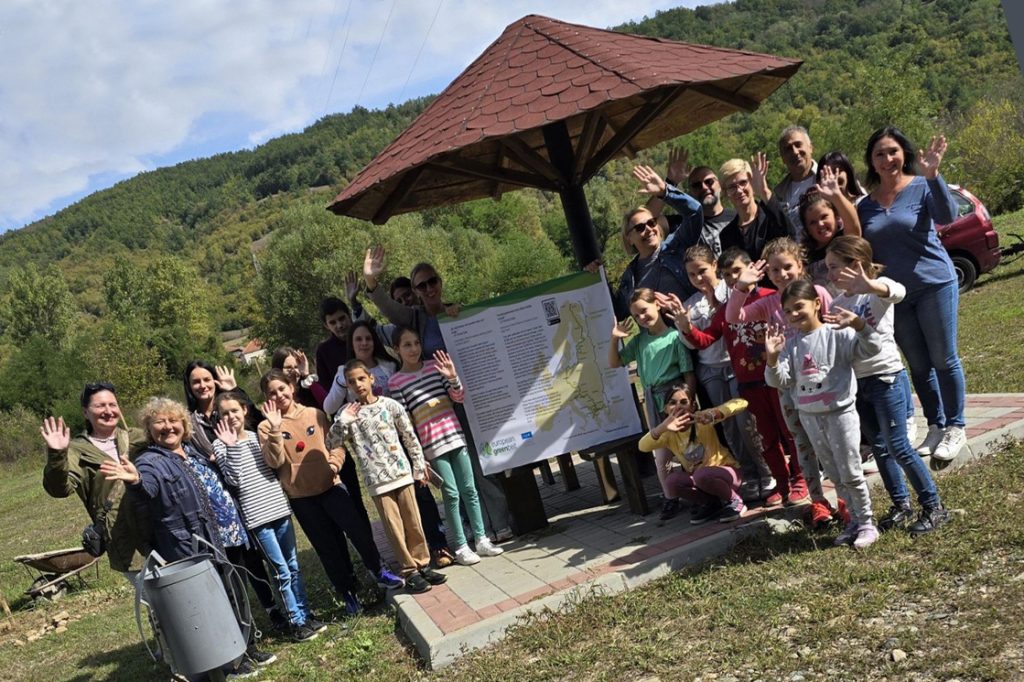
In partnership with PUC Standard and Elementary School “Dubrava” Knjaževac – Subsidiary School Kalna, TEAM established a Green Belt Park in the village of Kalna, Serbia, at the entrance to Stara Planina National Park. The project promotes the European Green Belt (EGB) initiative by enhancing environmental awareness and encouraging cross-sector cooperation. Located at a key crossroads used by locals and tourists, the park features 24 planted trees, symbolizing the 24 countries along the Green Belt. Equipped with picnic tables and waste bins, the space serves as a welcoming, educational spot and is regularly maintained by PUC Standard.

PROJECT

Project BALKANIA ROUTE: Two Steps Towards Others

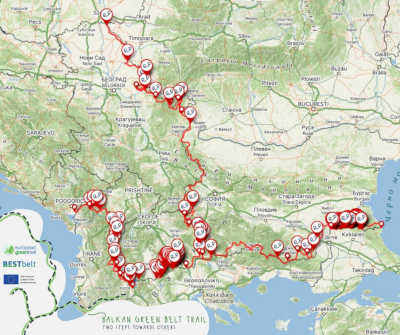
BALKANIA ROUTE is a regional initiative promoting sustainable tourism, cross-border cooperation, and cultural exchange along the Balkan Green Belt, part of the European Green Belt. The project connects and enhances hiking trails across Serbia, Bulgaria, North Macedonia, Albania, Montenegro, Turkey, and Romania, offering a 3,300 km journey through stunning landscapes, biodiversity, and shared heritage. Implemented by a coalition of civil society organizations, BALKANIA ROUTE strengthens local cooperation, supports eco-tourism, and encourages knowledge exchange. By transforming former divisions into opportunities for unity, the project positions the Balkan Green Belt as a symbol of sustainability, cultural richness, and regional development.

PROJECT

OLD MOUNTAIN-NEW PRACTICES: a circular economy focused on people and nature

This project aims to reduce pressure on biodiversity and natural resources in the Balkan Green Belt (BGB) and European Green Belt (EGB) by promoting circular economy (CE) practices in the Stara Planina area. Through education, capacity building, and networking, it introduced a sustainable CE model for small tourist villages. Residents, tourism households, and service providers adopted mindful consumption and reuse of household and tourist-generated waste. Local authorities and public utilities received tools and training to continue CE efforts. The project also fostered strong cooperation and created an active network of circular communities along the Green Belt corridor.

PROJECT

Youth virtual incubator

The Youth Virtual Incubator project, implemented in 2022, addresses rural youth migration by strengthening the support ecosystem for young people across Serbia. The project focused on helping youth realize their social, material, and intellectual potential within their communities. Key goals included understanding rural youth needs, identifying effective digital tools, and improving their knowledge and skills. A technical solution was developed to provide accessible online support, empowering young people to grow without relocating. By promoting inclusion and opportunity in rural areas, the Youth Virtual Incubator contributes to building more resilient communities and a better future for Serbia’s young generation.

PROJECT

Go GreeNish – Developing the Green City Concept for Niš

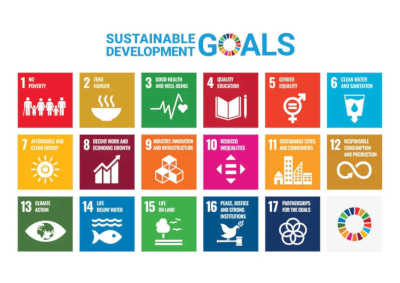
Go GreeNish is a pioneering project aimed at developing the first Green City Concept for Niš, advancing sustainable urban development in southern Serbia. Funded by the BACID program and supported by the Austrian Institute of Ecology, the initiative empowered TEAM and local stakeholders with knowledge and tools for greener, more inclusive urban planning. Through Agenda 2030 training, expert consultancy, and workshops, the project strengthened local capacities and resulted in a draft Green City Concept Note supported by best practices. Go GreeNish serves as a model for cities across the Western Balkans, promoting transformation aligned with the UN Sustainable Development Goals.